
OWNER ANSWER / MYXPENG
XPENG G6 Family Suitability: Space, Safety and Daily-Use Checks
The G6’s five-seat layout does not prove it will fit your household’s child seats and equipment. For three children, bring all three restraints and bases together and have the complete permitted arrangement checked; two outer ISOFIX pairs do not create a third centre pair.
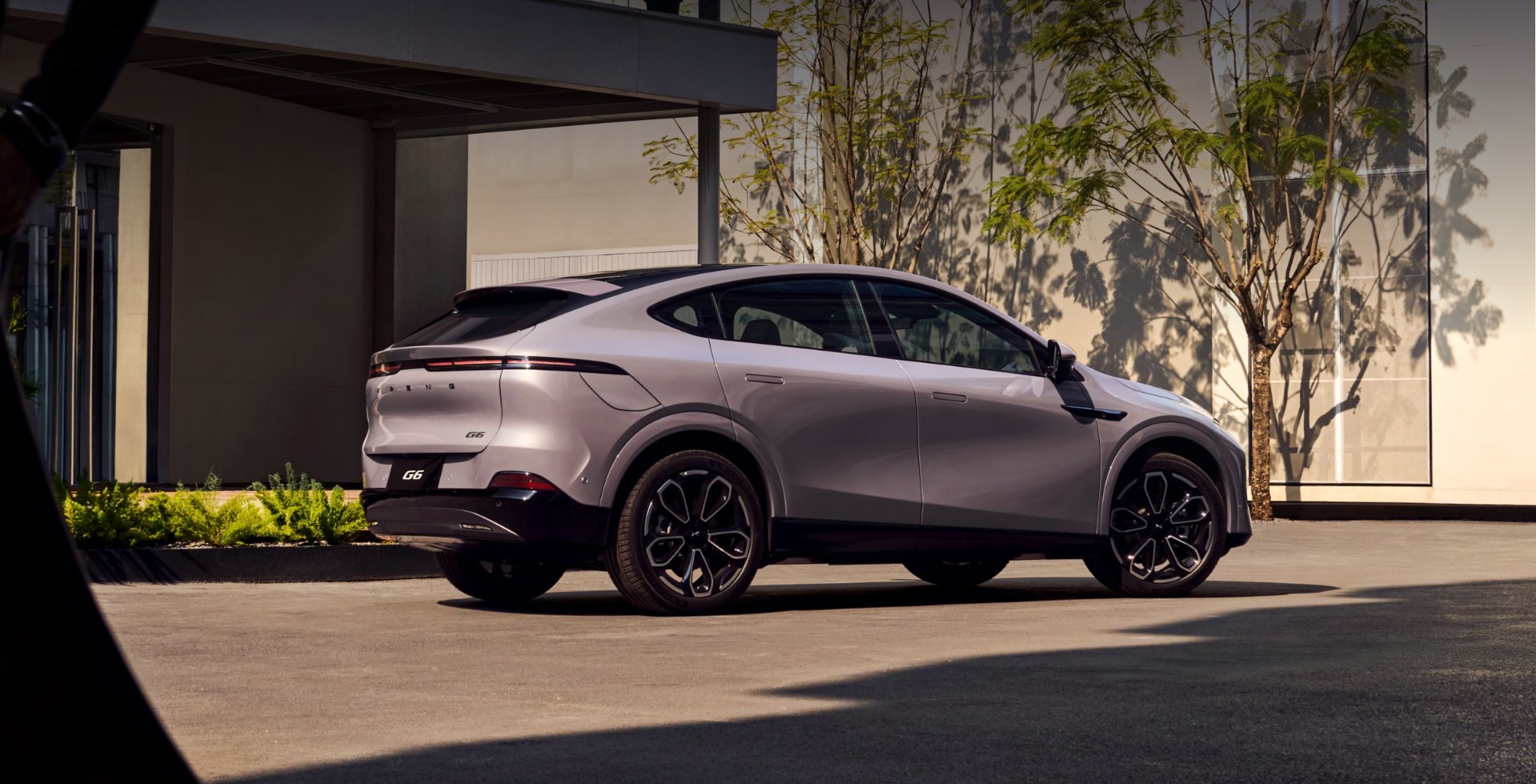
Will three child seats actually fit across the G6?
A UK family question about three seats brought up the G6, but an owner’s successful combination cannot establish that your three restraints fit. The UK G6 handbook supplied through XPENG in June 2025 identifies ISOFIX on the rear left and right seats, with corresponding outer-seat upper anchors. It does not give the centre seat a third set of ISOFIX anchors. This check concerns that earlier UK G6; use the matching handbook for a revised 2026 car.
- Before a viewing, note each child’s height/weight and the exact seat and base model. Check each restraint maker’s approval and fitting instructions for that vehicle and seating position. The G6 handbook’s child-seat compatibility tables are on printed pages 139–141; a seating position approved for a restraint is not proof of three-across physical fit.
- Bring all three restraints and bases together. Set both front seats for their real occupants before fitting. Use the approved anchorage or belt method for each position; never borrow the two inner bars from the outer ISOFIX pairs to improvise a centre attachment.
- Have a competent child-seat fitter verify the full arrangement: permitted support-leg/tether location, correct belt routing, accessible buckles and no interference prohibited by either set of instructions. Recheck every restraint with its neighbours installed. Simply closing the doors or measuring bench width is not a pass.
- With the arrangement confirmed, check everyday loading and buckle access, then load the actual buggy and bags. If one restraint only fits by obstructing another’s belt or changing its approved installation, that combination has failed. Try a different manufacturer-approved restraint combination with the fitter, or choose a different vehicle arrangement.
Can a rear-facing seat go in the front instead?
Only consider a position permitted by both the car and restraint instructions. UK guidance requires deactivating the front airbag before fitting a rear-facing child seat there. On the earlier UK G6 where this control is fitted, tap the passenger-airbag status indicator in the status bar to open its switch, or open vehicle settings → Drive → Passenger Airbag OFF/ON. Select OFF and verify that the passenger-airbag status explicitly shows OFF before fitting a permitted rear-facing restraint. If the switch is missing or OFF cannot be confirmed, do not use that front position for a rear-facing seat. Restore the airbag as instructed when that child seat is removed.
Keep a useful fit record: car generation, exact three seats/bases, approved positions and attachment methods, front-seat settings and the fitter’s identified restrictions. A photograph alone cannot certify installation. Never compromise a restraint to make a desired car fit.
Next: rear-door child locks and Baby in Car are separate checks; identify your G6 and its ownership guidance.
Question lead: UK three-child-seat discussion. Reports identify the question; the handbook, restraint instructions and actual fitting establish suitability. Evidence checked 18 October 2026.
Then check the rest of your family’s week
With the permitted seats and normal occupants in place, load the actual pushchair, mobility equipment, bags, pet carrier and charging cables. Check the opening, usable height, payload, visibility and access—not just boot litres. On a representative drive, assess ride, noise and climate, then confirm the home-charging routine and a typical longer-journey stop.
Locate the child locks, rear climate, hazards, demisting and emergency-door information while parked. Check a normal family phone’s call/navigation audio and obtain live insurance, tyre, service and finance quotes before deciding.
The car passes for your household only when the approved restraint arrangement, occupants and equipment fit together, access needs are met and the charging routine works. A failed physical fit needs another approved arrangement, not a compromised restraint.
Sources: XPENG UK. Checked 23 October 2026.